Printed Photo Favors or Digital Galleries: Which Fits Your Event?
When planning a celebration, hosts often weigh the appeal of a physical keepsake against the convenience of a digital archive. Photo booths have long offered a middle ground: guests step in, strike a pose, and walk away with a printed strip. But the rise of digital photo booth sharing has opened another route. Instead of a paper souvenir, guests can receive a text or email with a link to an online gallery where every shot from the event collects. Each approach has its own strengths, and the right choice depends on the kind of experience you want to create.
The Printed Favor: Tangible and Immediate
A printed photo strip remains one of the most straightforward favors a guest can take home. There is no app to install, no link to remember, no login. The photo is real, it is in your hand, and it often comes with a custom border or logo that ties the event together. For weddings, bar and bat mitzvahs, and milestone birthdays, that physical strip can end up on a refrigerator or tucked into a scrapbook for years.
Printed favors also encourage a different kind of guest flow. People gather around the booth, watch the strip come out, and share it right there. The social energy stays in the room. If the event has a photo booth attendant, they can manage the line, help with props, and keep the pace moving. That human touch keeps the experience lively without adding friction for the host.
On the other hand, printed strips have limits. A single strip only holds so many copies. If you have a large guest list, you may need to order extra paper or limit how many prints each group can take. There is also the question of waste: some guests may leave their strip behind, and the ones that do get taken home may eventually get lost or thrown away. The physical object is charming, but it is also fragile.
The Digital Gallery: Shareable and Enduring
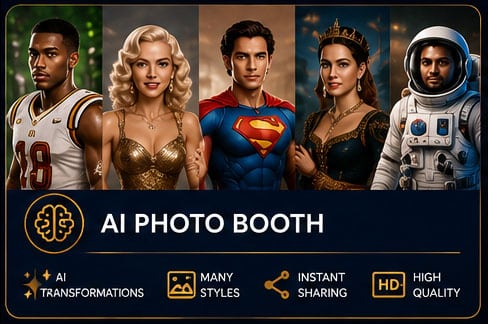
Digital photo booth sharing solves the storage problem neatly. Every photo taken at the booth can be uploaded to a private online gallery that stays live for weeks or months. Guests receive a QR code or a text message with the link, and from there they can view, download, and share their photos on social media. No one has to worry about losing a strip or running out of copies.
For corporate events, the digital gallery is especially useful. Attendees can grab a professional-looking headshot or a group photo for their LinkedIn profile. The host can also collect all the images in one place for marketing materials or internal newsletters later. The gallery becomes a shared memory bank that lives beyond the event date.
Another advantage is volume. A digital gallery can hold hundreds of photos without any physical waste. Guests can browse every shot, not just the ones they were in. That makes it easier for people who missed the booth to see what happened, and for the host to get a complete picture of the night.
Yet digital sharing has its own trade-offs. Not every guest is comfortable with a smartphone-based experience. Older guests or those without reliable data service may struggle with the QR code. The gallery also requires the host to choose a platform and manage privacy settings. Some guests may be reluctant to have their photos posted online, even in a private album. And while a digital file lasts forever in theory, it can feel less special than a physical object that sits on a shelf.
Comparing the Guest Experience
Printed favors tend to create a more contained, high-energy moment. Guests queue up, pose, and wait for the strip to print. That pause builds anticipation. The physical exchange at the booth also gives the attendant a chance to interact, offer props, and keep the energy high. For events where the photo booth is a main attraction, that tactile payoff is hard to beat.
Digital galleries, by contrast, spread the experience out. Guests can take their photo, get the link, and look at it later. The booth itself may feel faster because there is no print cycle. But the social glue of watching a strip come out of the machine and handing it to someone is gone. The gallery works better as a quiet, convenient option than as a crowd-drawing centerpiece.
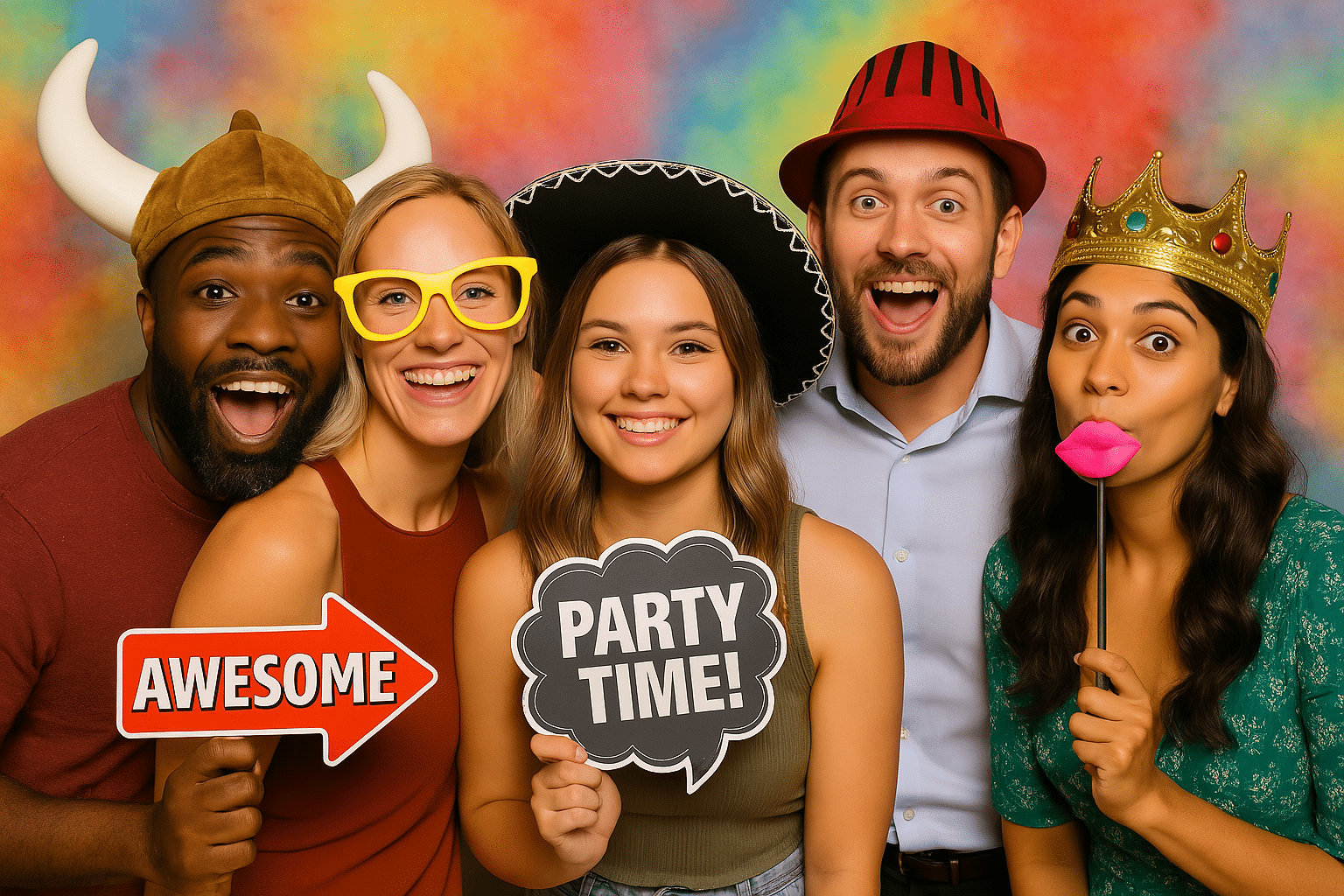
Some hosts combine both: offer a small print at the booth and also send guests a link to the full gallery. That hybrid approach gives everyone what they want. But it also adds cost and complexity. The booth needs a printer, paper stock, and possibly a second attendant to handle the digital upload. For events on a tighter budget, choosing one or the other may be simpler.
The Role of Novelty Elements
Newer photo booth options have started to blur the line between print and digital. One example is the rise of AI trading cards, which let guests receive a custom digital illustration based on their photo. The image is generated in real time and can be shared by text or email. It gives a digital souvenir the same sense of uniqueness that a printed strip once claimed. The phrase AI trading cards appears in discussions about how personalization can make digital sharing feel more special than a standard photo file.
Another innovation is the sketch portrait, where a digital filter turns the photo into a hand-drawn look. Guests can print that version or share it online. These options keep the novelty of a physical keepsake while leaning into the convenience of digital delivery. They also work well for events where the theme is artistic or playful, such as a gallery opening or a creative agency party.
Making the Choice
The decision between printed favors and digital galleries comes down to your event's tone and your guests' habits. If you are hosting a wedding with a wide age range, a printed strip gives everyone a simple, fun memento. If you are running a corporate networking event where attendees want to collect professional headshots, a digital gallery is more practical. For a mitzvah or a birthday party where kids want to see their photos immediately and share them with friends, a hybrid setup can satisfy both impulses.
Consider how much you want the booth to drive the social flow. A print-heavy setup will keep people near the booth, which can be great for breaking the ice. A digital setup lets guests move freely and check their photos later, which suits events where mingling is the priority. Neither is better across the board; they simply serve different goals.
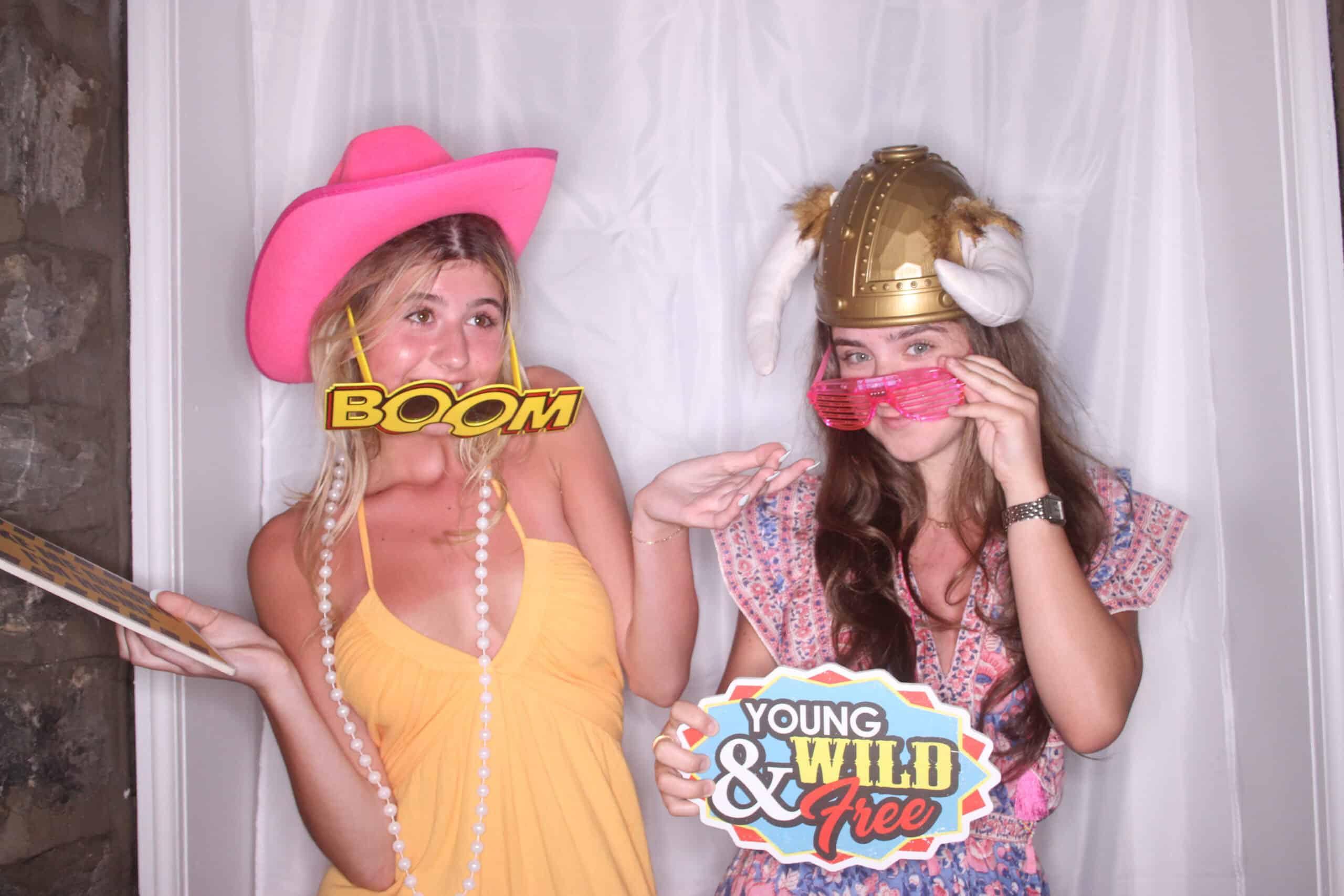
One more thing to factor in is the host's own comfort with technology. A digital gallery requires you to pick a platform, set up the sharing link, and possibly monitor the album for inappropriate uploads. A printed strip setup is more turnkey: the booth handles the printing, and you just make sure there is enough paper. If you want to be hands-off on the day of the event, printing may be the smoother route.
As photo booth technology evolves, the gap between print and digital continues to narrow. The phrase AI trading cards appears in conversations about how digital keepsakes can feel just as personal and collectible as a paper strip. For hosts who want the best of both worlds, the latest options make it easier to offer a tangible memory and a shareable archive without doubling the effort. The key is to match the format to your crowd and your event's rhythm, not the other way around.